Cosmic Magnetism
Origin and evolution of magnetic fields in the Universe
Radio Relics & Diffusive Shock Acceleration
Merger shocks and particle acceleration in galaxy clusters
AGN Jets & Cosmic Rays
Jet-driven cosmic rays and diffuse radio emission
The Dynamics of Galaxy Clusters
Multi-wavelength study of merging galaxy clusters
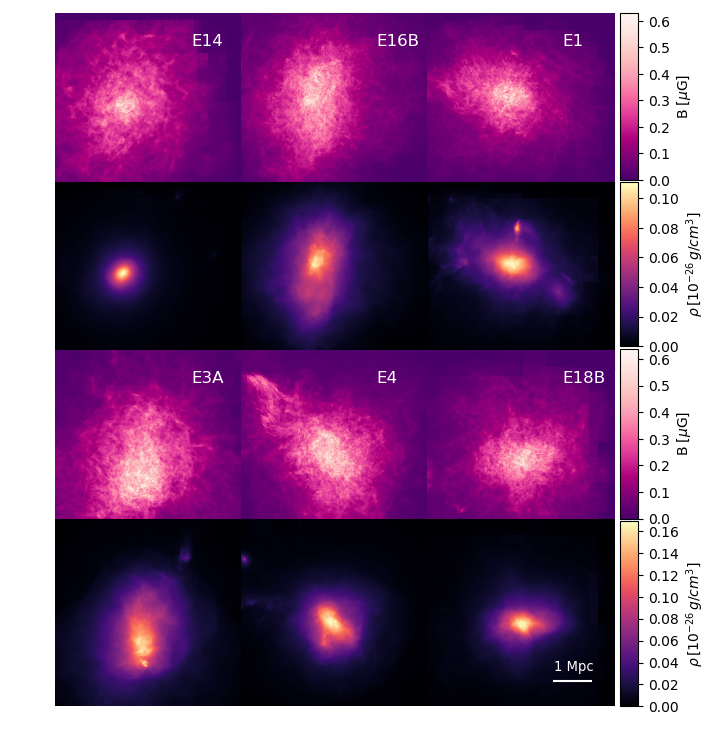
Cosmic Magnetism
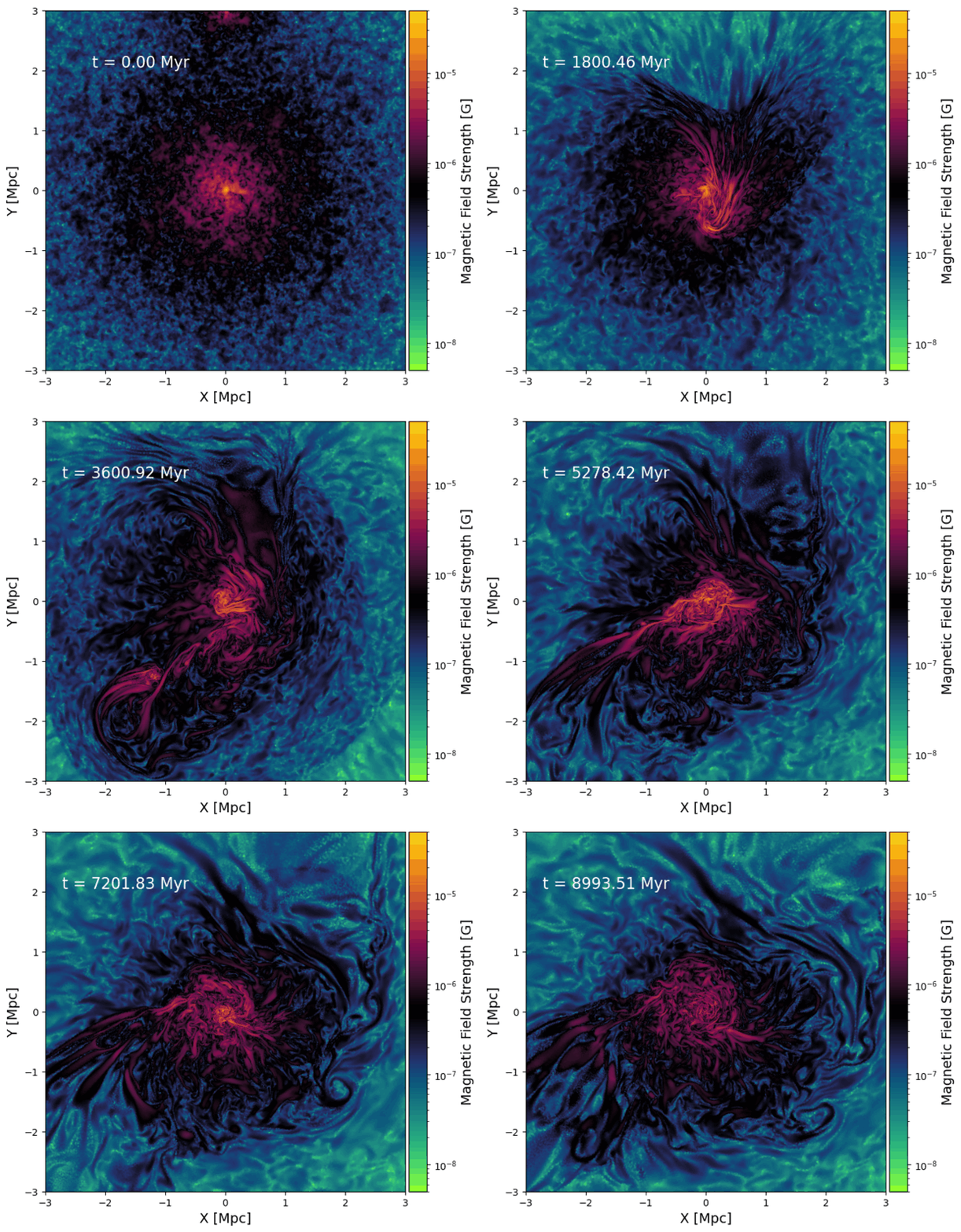
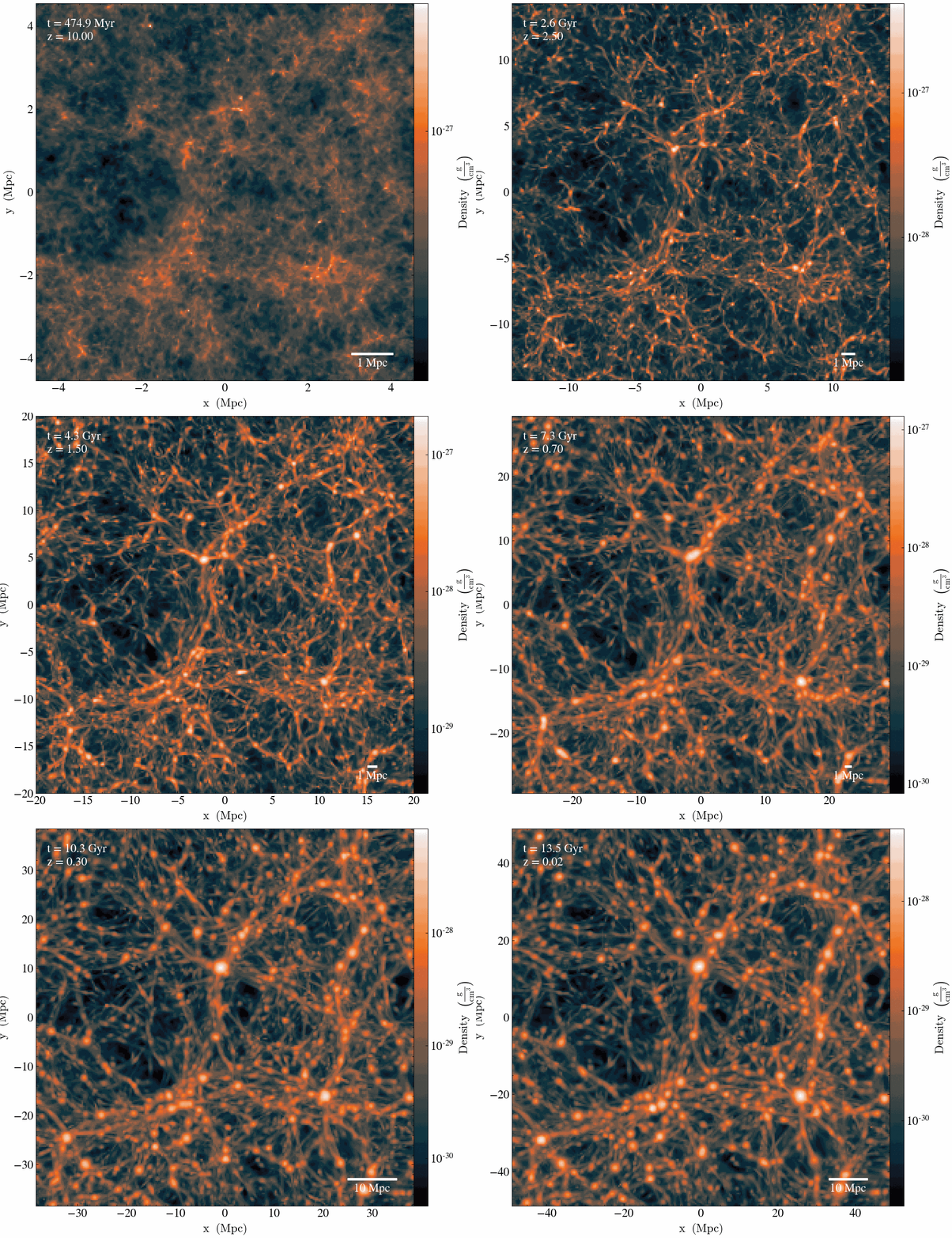
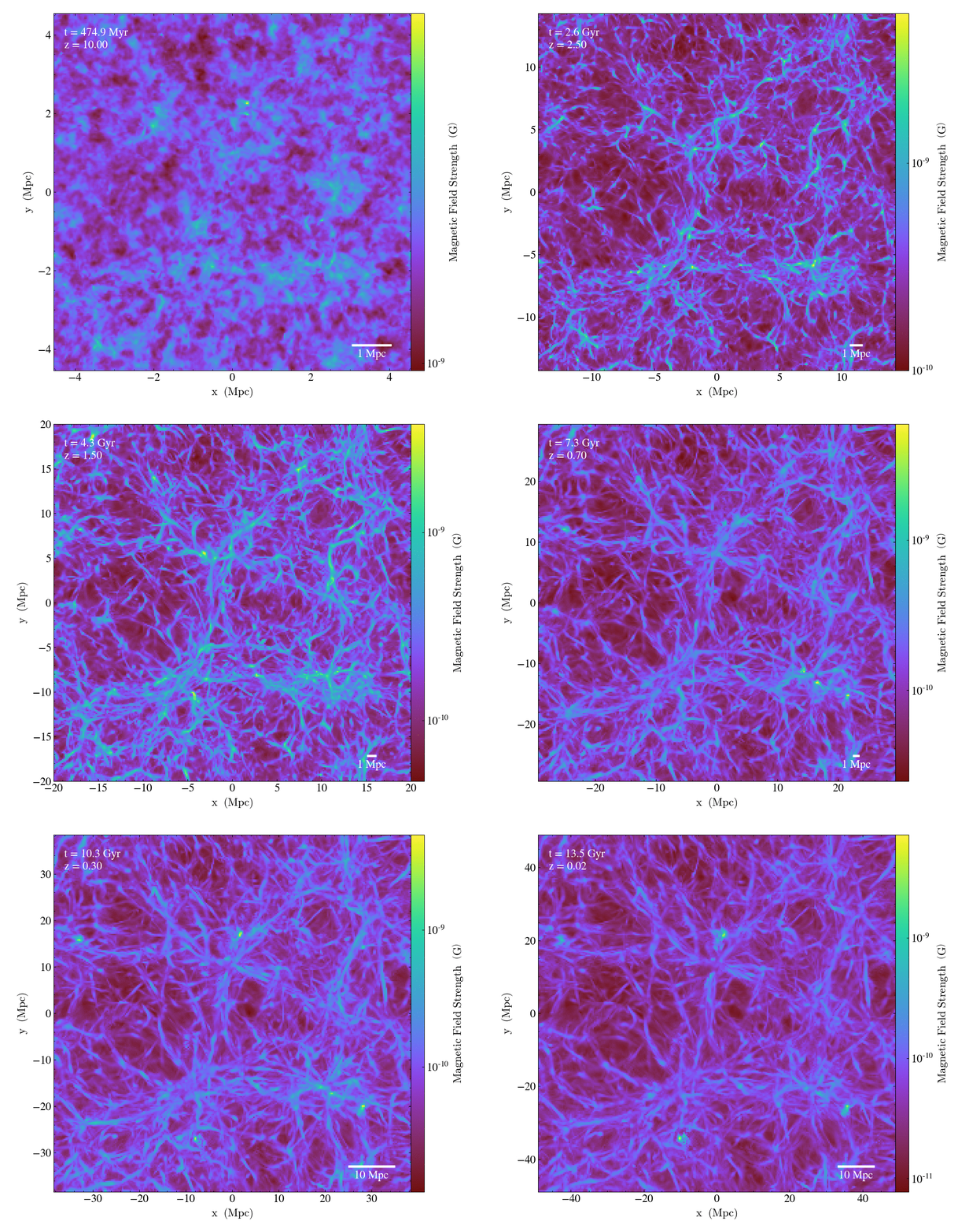
The origin and evolution of magnetic fields in the Universe is one of the central open questions in astrophysics. Magnetic fields could have a primordial origin, generated in the early Universe, or an astrophysical one, seeded by processes such as AGN activity or supernova-driven winds and later redistributed by large-scale flows. Galaxy clusters are ideal laboratories to study this problem: their turbulent intracluster medium (ICM) can host a small-scale dynamo that amplifies weak seed fields up to the microgauss levels observed today. Using cosmological MHD simulations, I investigate how magnetic fields grow and evolve across cosmic time, how merger events modulate dynamo action, and what signatures these fields leave in observables such as Faraday rotation and synchrotron emission.

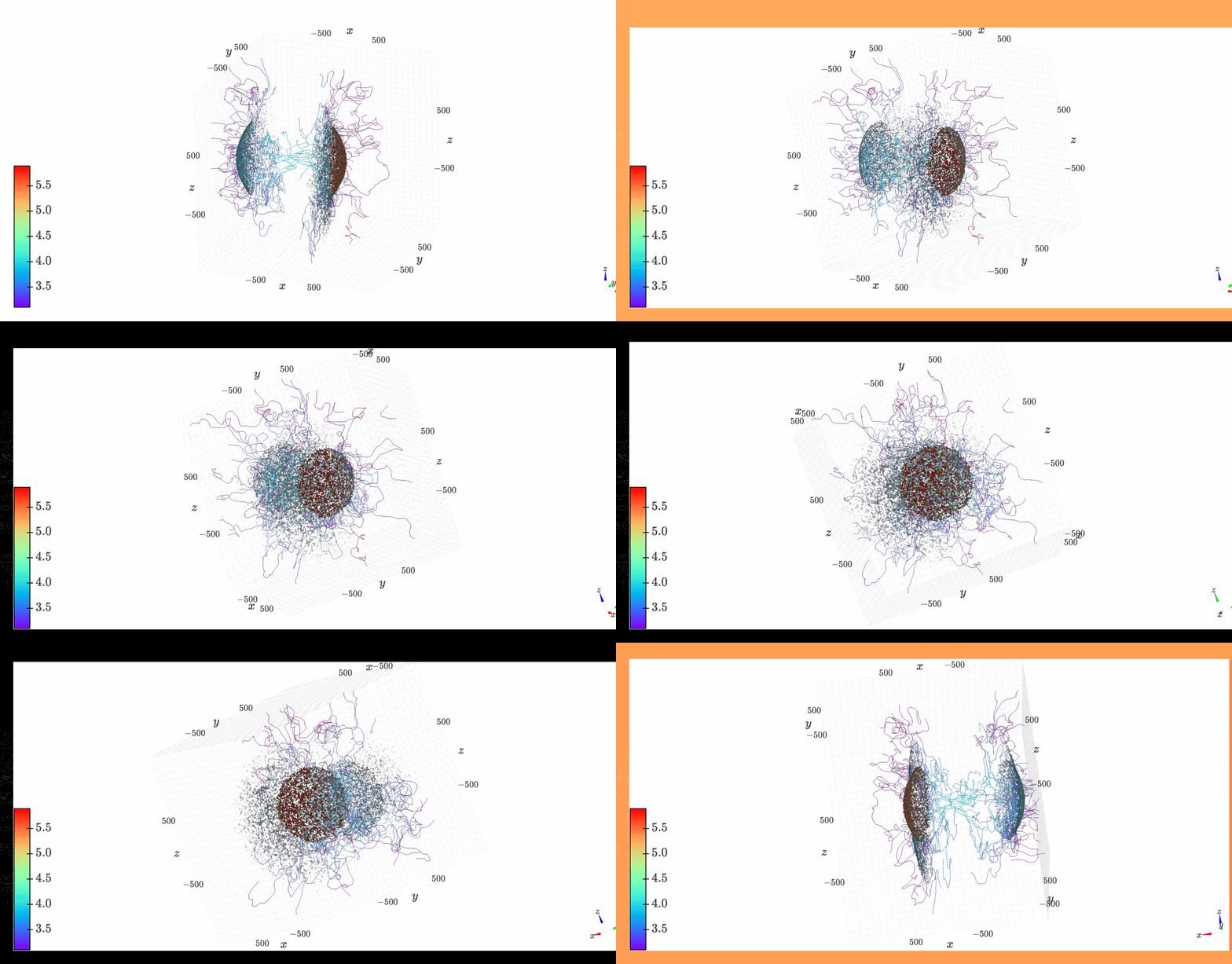
Radio Relics & Diffusive Shock Acceleration
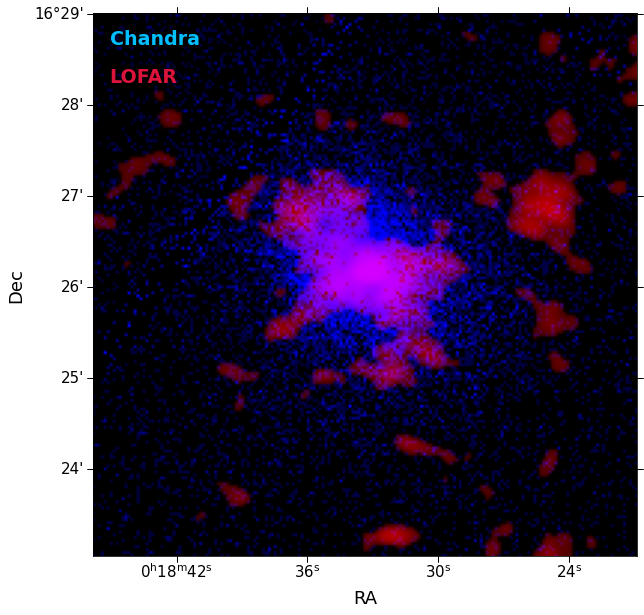
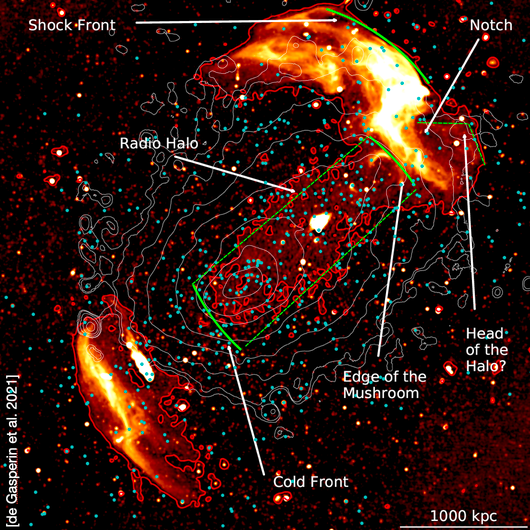
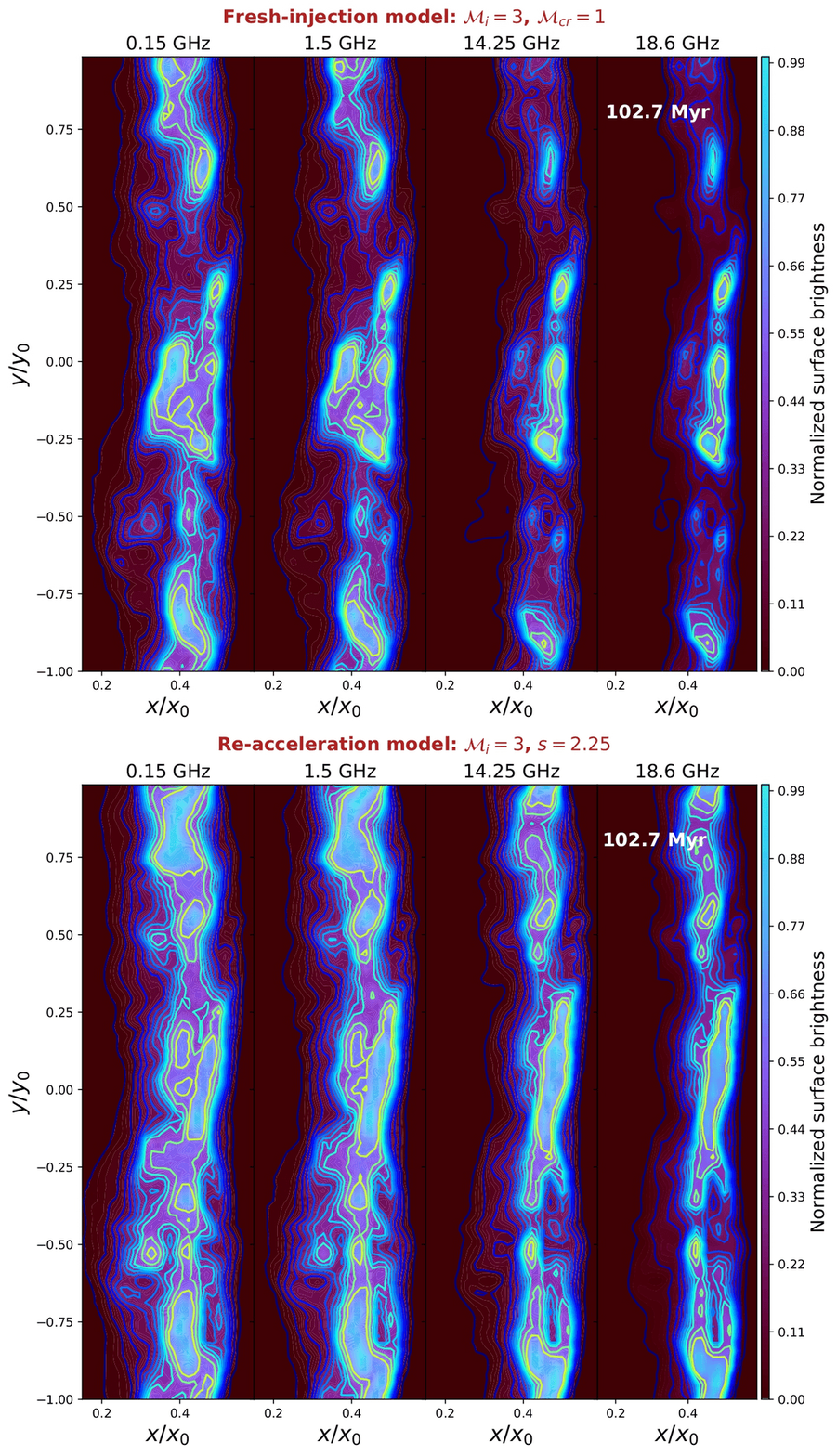
Radio relics are extended diffuse radio emission with an elongated morphology in the outskirts of galaxy clusters, believed to trace merger-driven shock waves that accelerate electrons via diffusive shock acceleration (DSA). Using 3D MHD simulations, I study how the properties of the intracluster medium, its turbulence, magnetic field structure, and Mach number distribution, shape the morphology and spectral properties of radio relics. I use state-of-the-art hybrid numerical frameworks to model the spectra of the electrons and model the radio emission. I also investigate the morphology and degree of patchiness in radio relics as a tool to constrain shock properties and particle acceleration models.

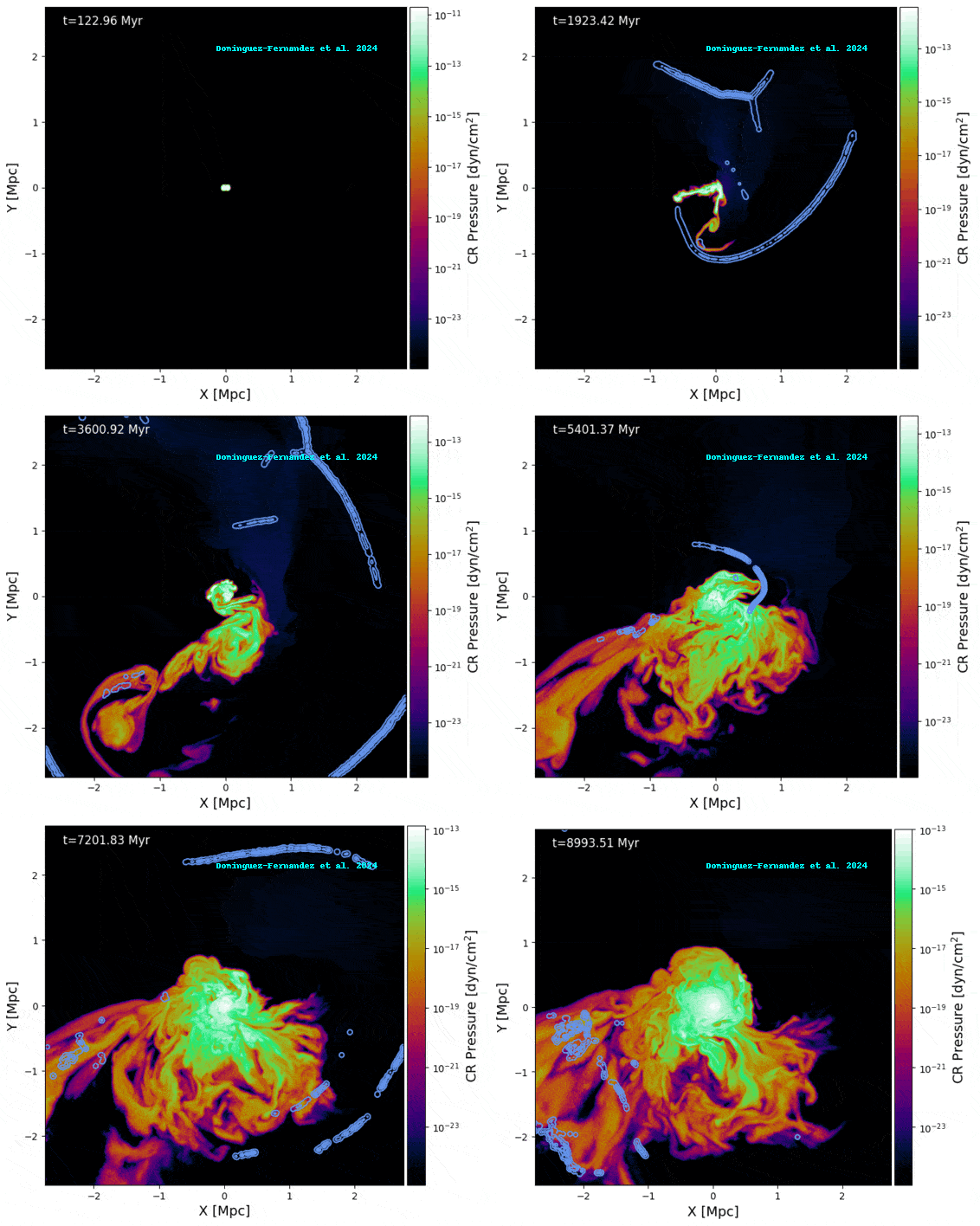
AGN Jets & Cosmic Rays
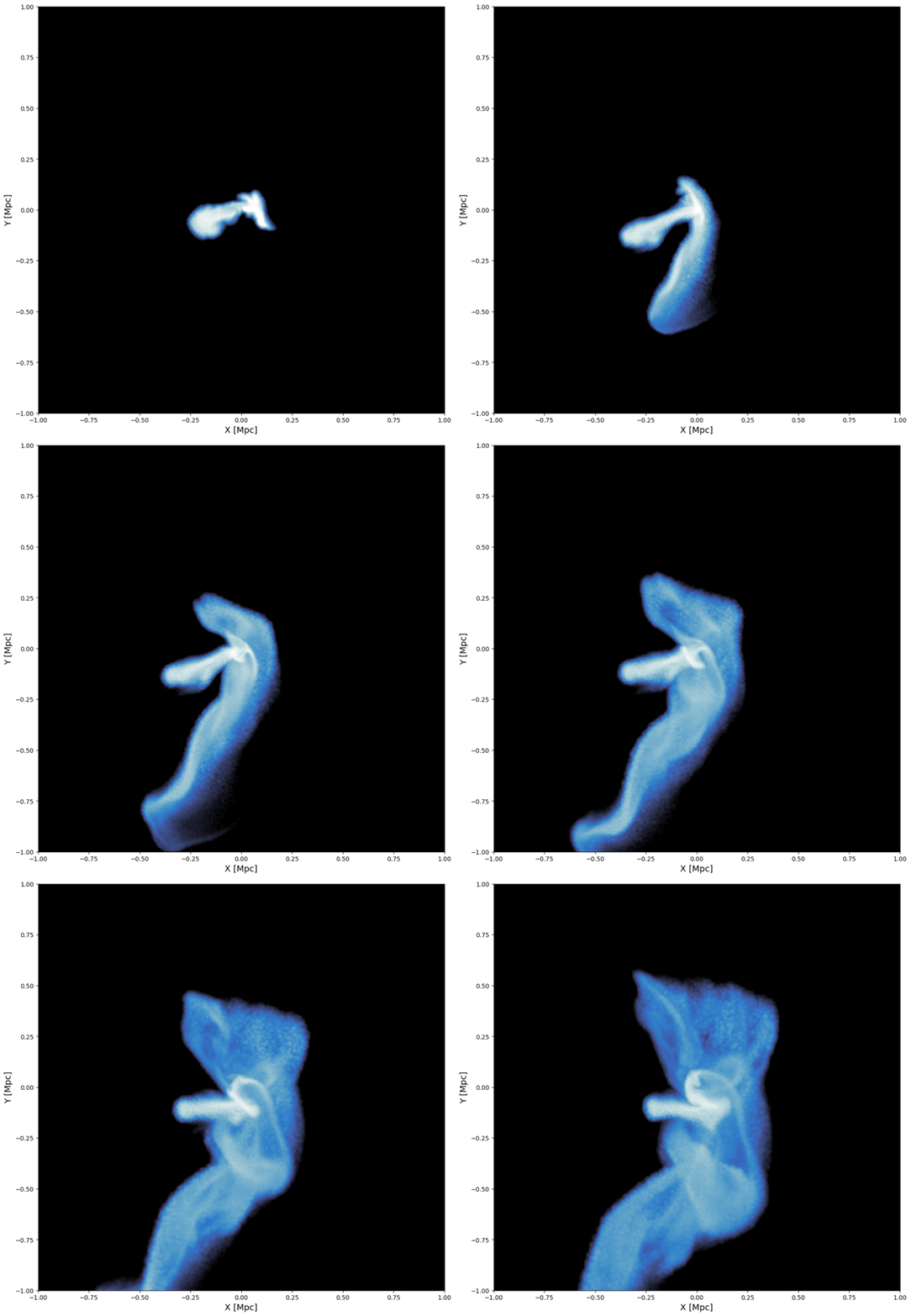
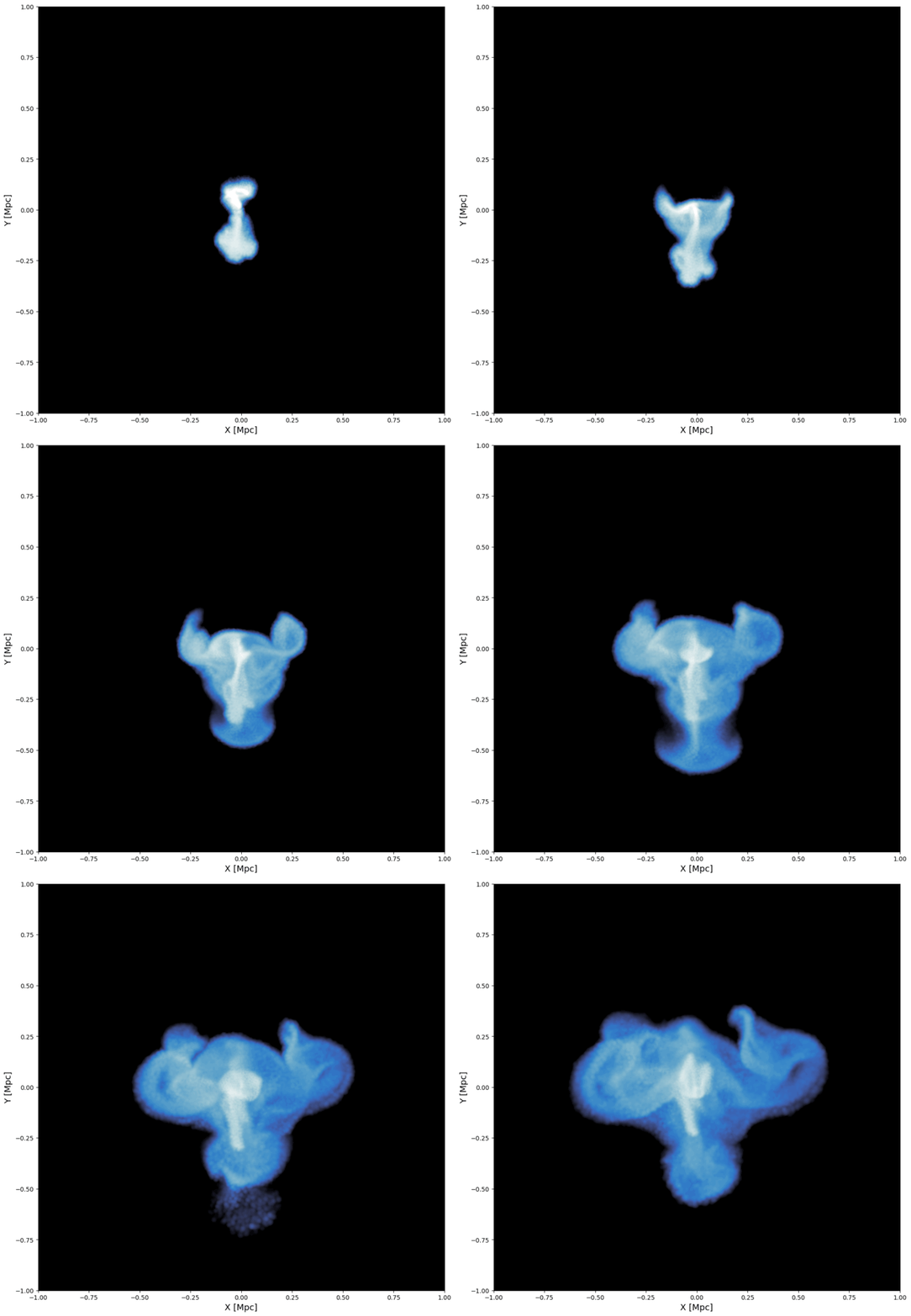
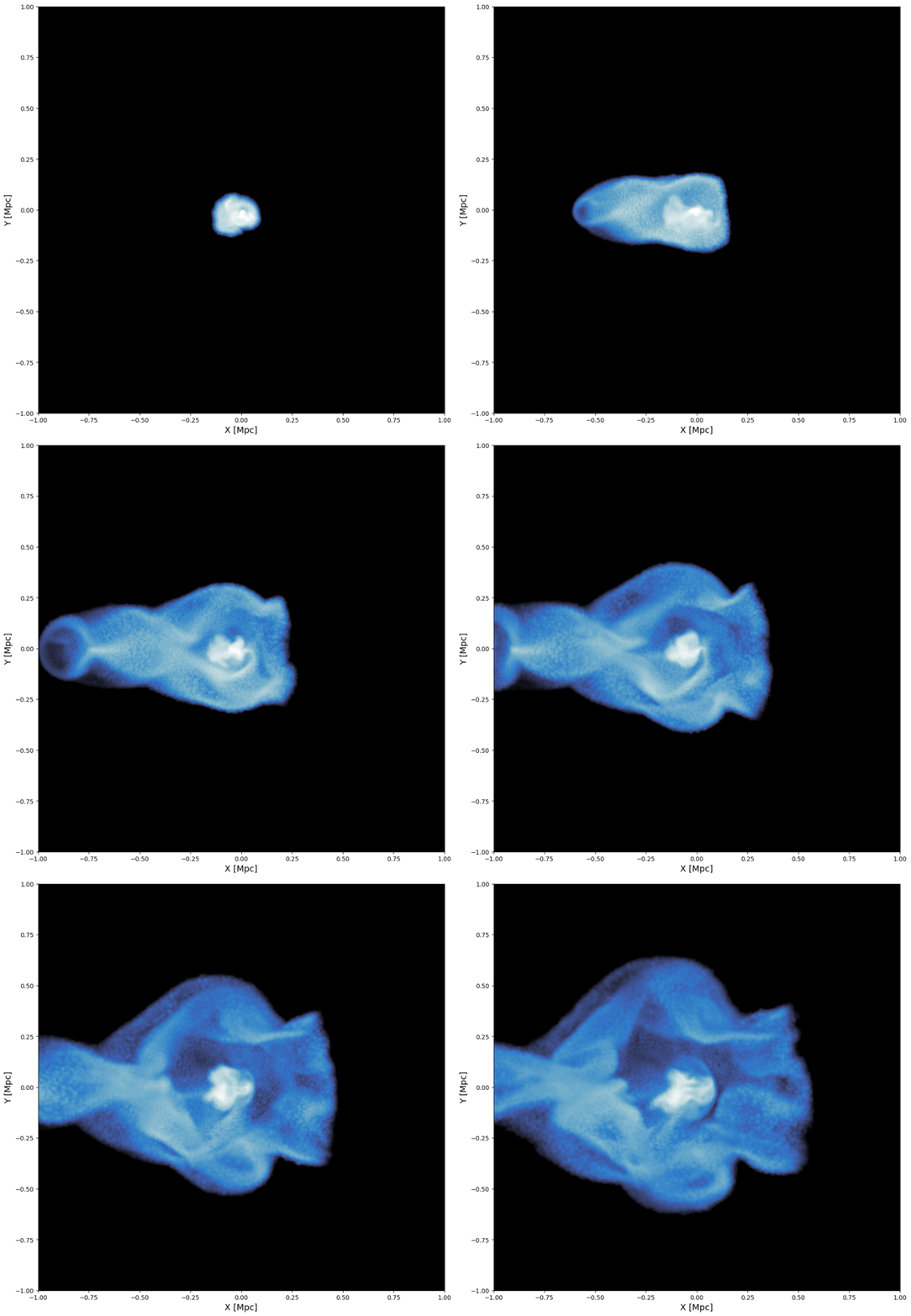
Active Galactic Nuclei (AGN) inject powerful jets into the intracluster medium, carrying kinetic energy, magnetic fields, and cosmic ray electrons (CRe). These jets interact with the cluster environment and, in the presence of a merger, can produce complex radio morphologies such as wide-angle tail (WAT), head-tail (HT), and X-shaped sources. Using 3D MHD simulations with a two-fluid formalism to model the CR component, I explore how jet material disperses through the cluster over several Gyr, reaching Mpc scales, and how merger-driven turbulence can re-accelerate cosmic rays, contribute to large-scale diffuse radio emission and explain the plethora of morphologies in radio galaxies.

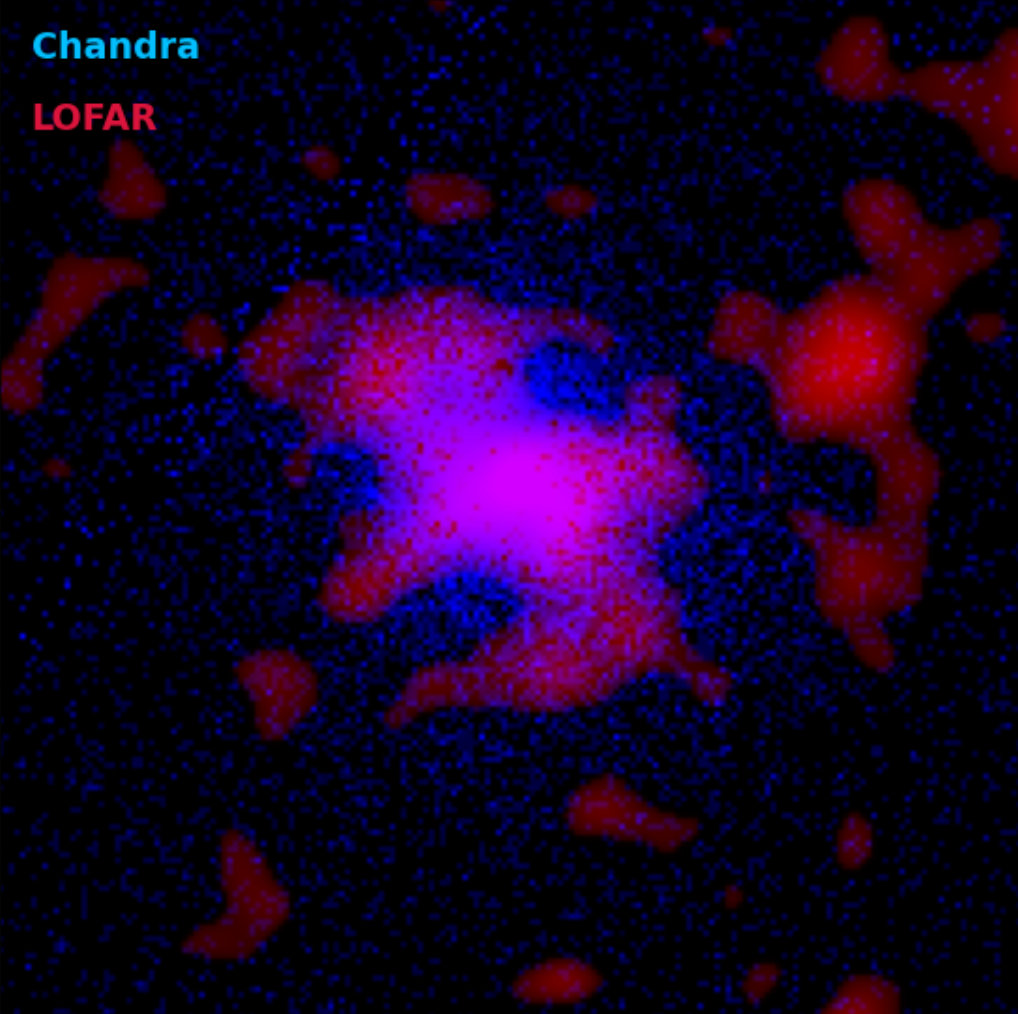
The Dynamics of Galaxy Clusters
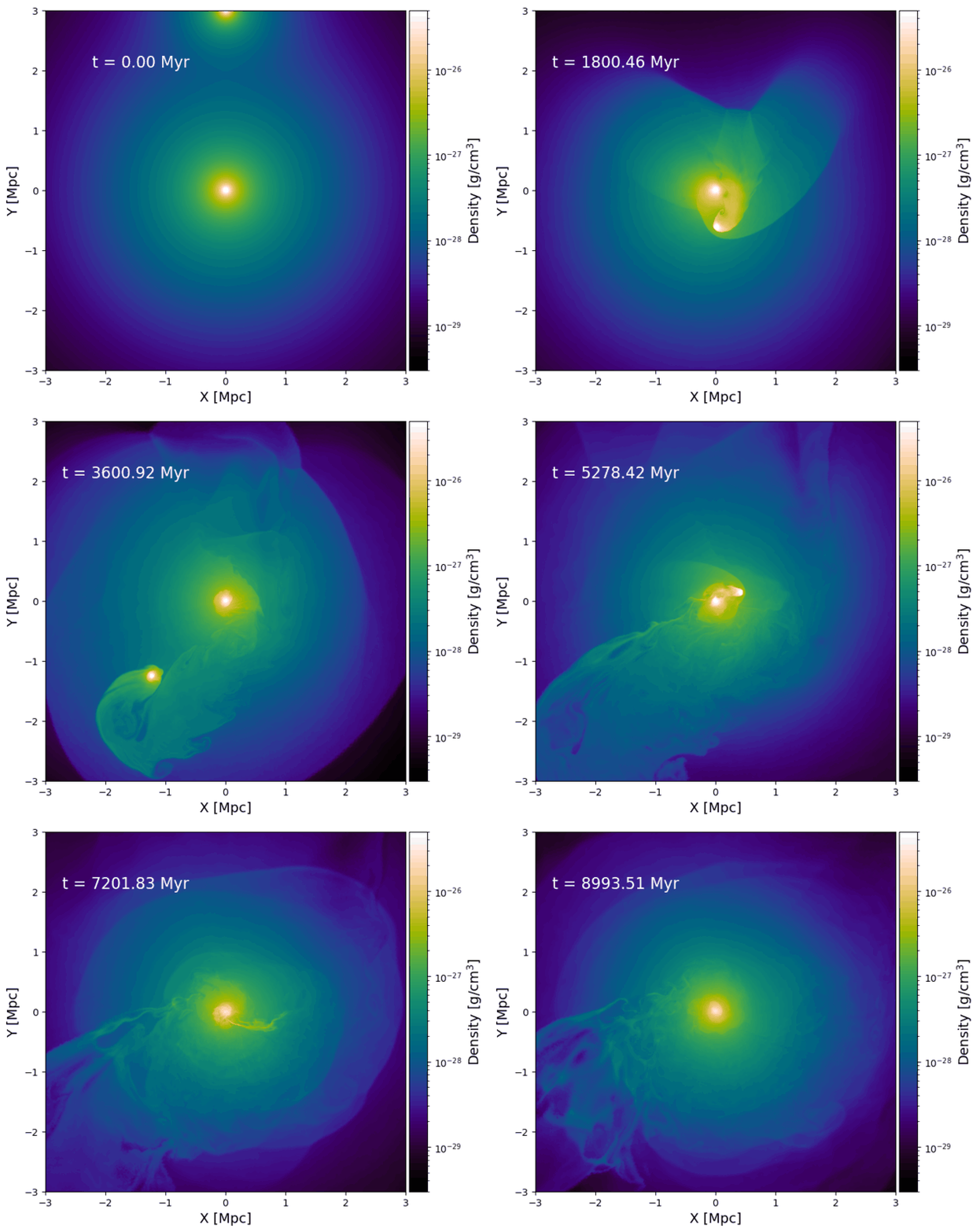
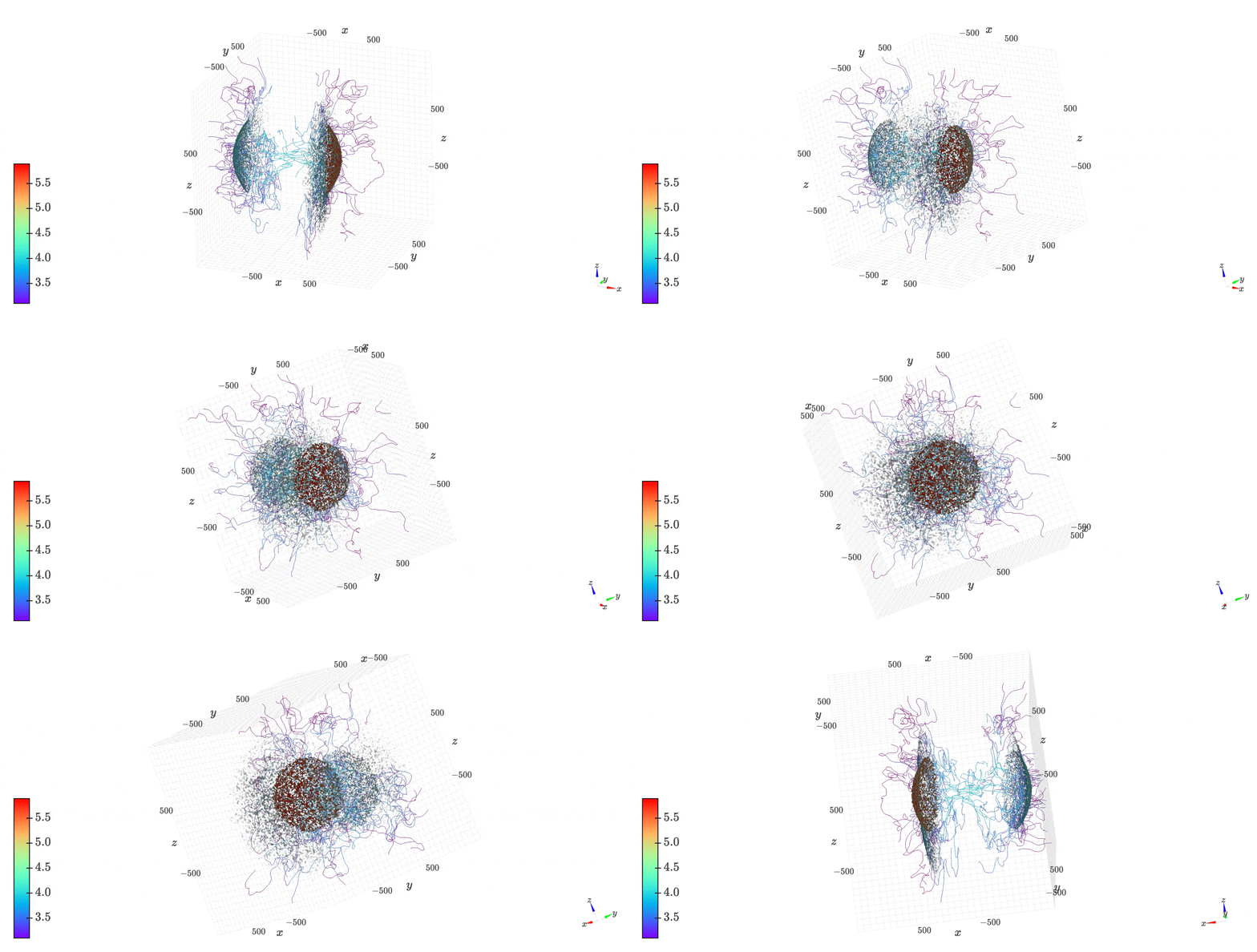
Galaxy clusters are the largest gravitationally bound structures in the Universe, assembled through a continuous sequence of mergers. These mergers drive shocks, bulk motions, and turbulence throughout the intracluster medium, leaving imprints across the electromagnetic spectrum. Using multi-wavelength observations combined with numerical simulations, one can study the dynamical state of merging galaxy clusters, reconstructing merger geometries and constraining initial conditions through X-ray, Sunyaev–Zel'dovich, optical, and lensing observables. Understanding cluster dynamics is key to interpreting the non-thermal phenomena such as radio halos, relics, and AGN activity that emerge from these violent events.